
 Vitamin and Antioxidant Therapies
Vitamin and antioxidant therapies are complementary treatment approaches that support cellular healing and regeneration by providing essential nutrients and protective compounds the body needs. These applications contribute to strengthening the immune system, increasing energy levels, and maintaining overall health. At the same time, they help protect cells against oxidative stress, supporting the prevention of chronic diseases in the long term.
Vitamin Therapies
The body requires a regular supply of various vitamins to function properly. Deficiencies in key vitamins—such as Vitamin D, B-complex vitamins, and Vitamin C—may lead to fatigue, weakened immunity, impaired concentration, and overall health issues. Vitamin therapies aim to restore these deficiencies based on individual assessments. Through personalized treatment plans, energy levels are improved, the immune system is supported, and overall quality of life is enhanced.
Antioxidant Therapies
Antioxidants play a crucial role in protecting cells from the harmful effects of free radicals, helping to prevent premature aging and cellular damage. Powerful antioxidants such as Vitamin E, glutathione, and CoQ10 support cellular renewal, contribute to tissue health, and strengthen the body’s natural defense mechanisms. Antioxidant therapies are used to support the immune system, reduce signs of aging, and lower the risk of chronic diseases.
Vitamin and antioxidant therapies provide effective support for individuals seeking to maintain a healthy lifestyle, increase physical and mental energy, and protect their bodies at the cellular level. With personalized treatment programs designed after a specialist evaluation, we aim to strengthen your overall health and improve your quality of life.
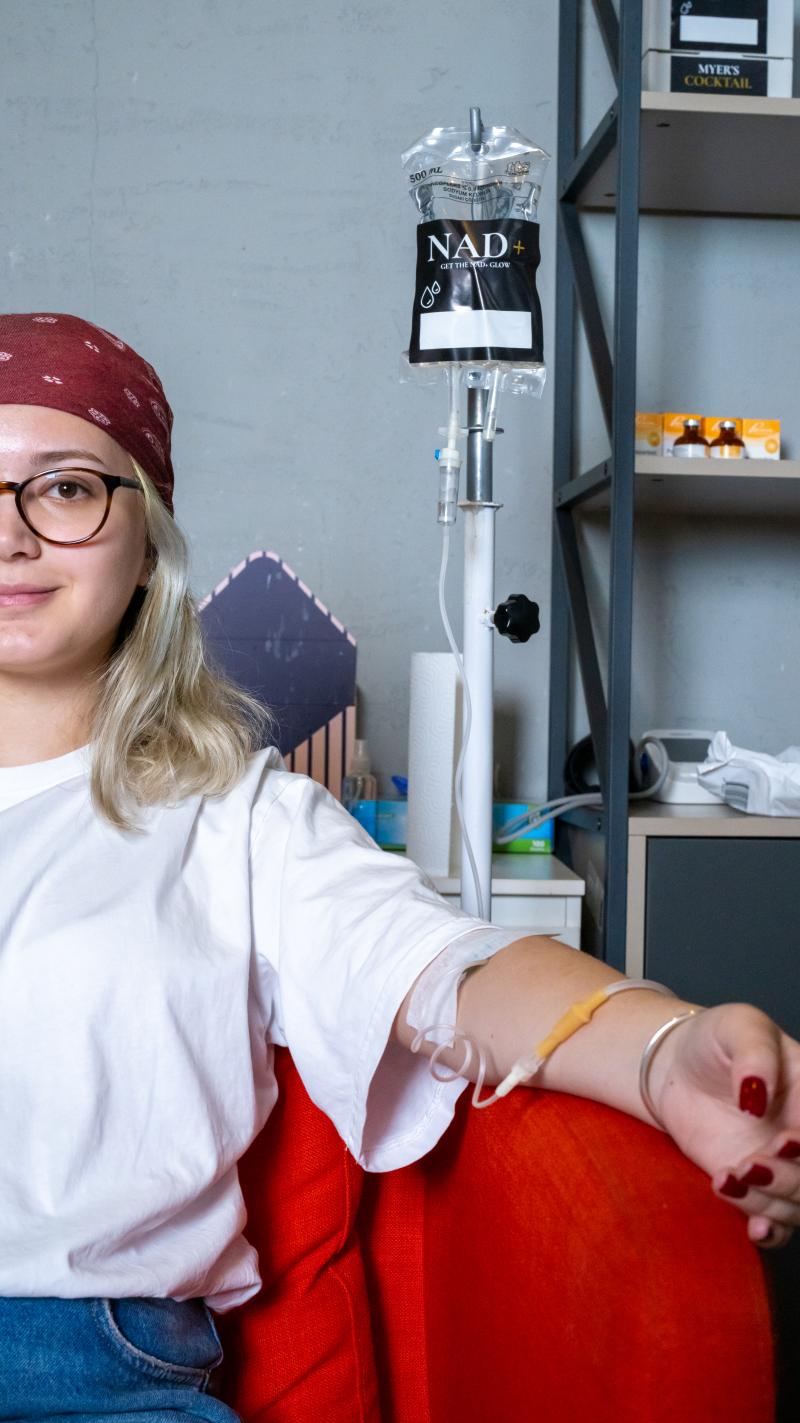
NAD+ Therapy
What Is NAD+ Therapy?
NAD+ (Nicotinamide Adenine Dinucleotide) is a vital coenzyme that plays a critical role in cellular energy production, metabolic processes, and cellular repair mechanisms. With aging, stress, and certain medical conditions, NAD+ levels in the body may decline. NAD+ therapy is a treatment approach that involves intravenous supplementation of NAD+ to support cellular energy production and promote overall health.
This therapy helps enhance both physical and mental performance by increasing the energy-producing capacity of cells.
When Is NAD+ Therapy Used?
NAD+ therapy may be preferred in various situations to support overall health and cellular function, including:
- Slowing cellular aging and reducing signs of aging
- Chronic fatigue and low energy levels
- Supporting memory, focus, and cognitive function
- Supporting detoxification processes in addiction recovery
- Accelerating muscle recovery after exercise
- Supporting metabolic balance
- As a supportive therapy in neurological conditions
How Is NAD+ Therapy Applied?
Before treatment, the patient’s overall health status is evaluated and a personalized treatment plan is created. The therapy is administered via intravenous (IV) infusion. The NAD+ solution is delivered in a controlled manner through a vein, and the procedure typically takes between 1 to 4 hours. Depending on individual needs, the treatment may be planned as a single session or as multiple sessions at regular intervals.
Who Is It Suitable For?
NAD+ therapy is particularly suitable for:
- Individuals experiencing low energy and chronic fatigue
- Those seeking anti-aging support
- Individuals aiming to enhance mental performance and concentration
- Active individuals and athletes
- People with metabolic concerns
- Patients seeking support for detoxification and recovery processes
As Specialist Dr. Selen Bengü Erdoğan Gür – Physical Medicine and Rehabilitation Specialist, my approach to NAD+ therapy focuses on improving overall well-being through scientifically based and personalized strategies that support cellular health.
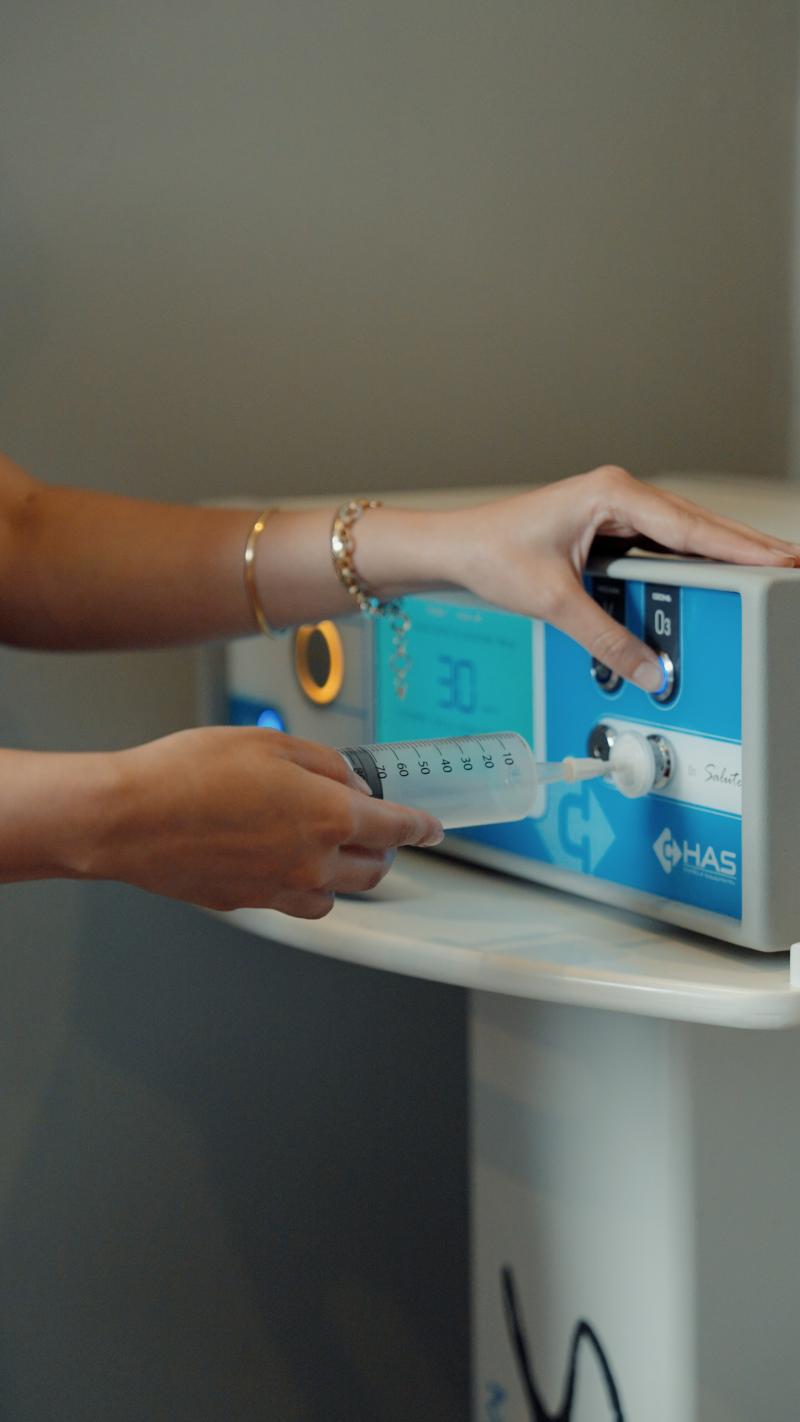
Ozone Therapy
What Is Ozone Therapy?
Ozone therapy is a complementary treatment method that uses ozone gas (O₃), composed of three oxygen atoms, for therapeutic purposes. Thanks to its strong oxidative properties, ozone supports cellular regeneration, improves circulation, and enhances the effectiveness of the immune system. This method, which has been used for many years, aims to support the body’s natural healing mechanisms and, when applied with proper indication, offers a safe treatment option.
When Is Ozone Therapy Used?
Ozone therapy can be used as a supportive treatment in a variety of conditions affecting different body systems, including:
- Circulatory disorders and vascular occlusions
- Weakened immune system
- Diabetic wounds and non-healing skin ulcers
- Rheumatic diseases and chronic musculoskeletal pain
- Chronic digestive system disorders
- Liver diseases (such as Hepatitis B and C)
- As a supportive approach in cancer treatments
- Chronic fatigue and low overall vitality
How Is Ozone Therapy Applied?
Ozone therapy can be administered through various methods depending on the patient’s clinical condition. One of the most commonly used methods is major autohemotherapy, where a certain amount of the patient’s blood is drawn, enriched with ozone, and then reintroduced into the body. Other methods include minor autohemotherapy, ozonated water applications, and rectal ozone administration, depending on patient suitability. The method and number of sessions are individually planned following a physician’s evaluation.
Who Is It Suitable For?
Ozone therapy may be particularly suitable for:
- Individuals seeking to strengthen their immune system
- Patients with chronic conditions
- Individuals with non-healing wounds
- Those experiencing rheumatic or musculoskeletal pain
- Patients seeking supportive approaches during cancer treatment
However, ozone therapy is not recommended in certain conditions such as pregnancy, uncontrolled hypertension, and severe anemia. Therefore, treatment should always be planned following a medical evaluation.
As Specialist Dr. Selen Bengü Erdoğan Gür – Physical Medicine and Rehabilitation Specialist, my approach to ozone therapy focuses on patient safety, using the right dosage, appropriate methods, and personalized treatment planning.
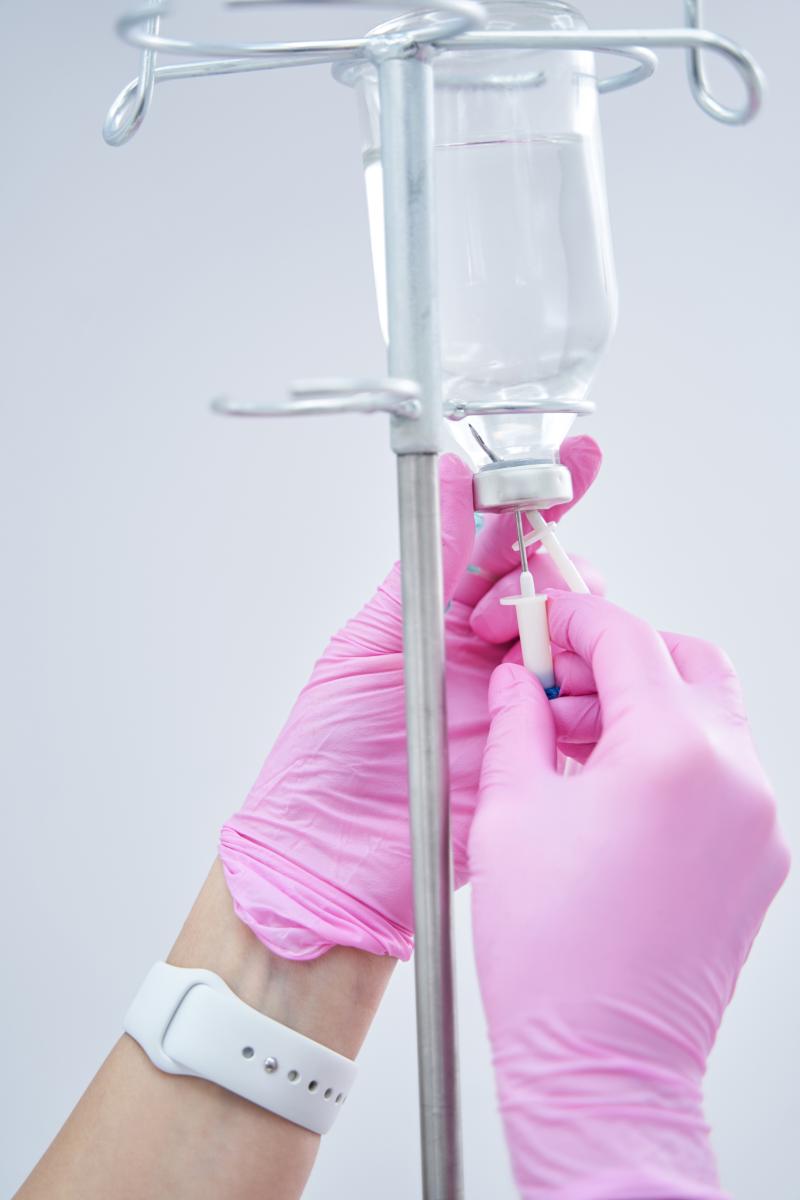
Collagen Serum
What Is Collagen Serum?
Collagen serum is a supportive skincare treatment used to improve skin elasticity, reduce the appearance of wrinkles, and strengthen overall skin structure. Collagen is one of the key proteins responsible for maintaining firm, smooth, and healthy-looking skin. With aging, environmental factors, and stress, collagen production in the body decreases. Collagen serum applications help compensate for this loss, promoting a more vibrant and youthful appearance.
When Is Collagen Serum Used?
Collagen serum treatments are commonly preferred for the following skin concerns:
- Wrinkles and fine lines
- Loss of skin elasticity and sagging
- Dryness due to moisture loss
- Dull and tired-looking skin
- Uneven skin tone
- Prevention and delay of visible signs of aging
How Is Collagen Serum Applied?
Collagen serum application is planned according to the individual’s skin type and needs. Before the procedure, the skin is cleansed and prepared. The serum is then gently applied to the face and neck, allowing it to be absorbed into the skin. If needed, the treatment is complemented with moisturizing support. With regular use, the effects of collagen serum become more noticeable over time.
Who Is It Suitable For?
Collagen serum treatments are particularly suitable for:
- Individuals with early or visible signs of aging
- Those seeking firmer and more radiant skin
- People experiencing dryness and moisture loss
- Individuals aiming to even out their skin tone
- Anyone looking for preventive and supportive skincare
Benefits of Collagen Serum
- Helps reduce the appearance of fine lines and wrinkles
- Supports the skin’s moisture balance
- Improves elasticity and firmness
- Promotes cellular renewal
- Enhances a brighter and healthier skin appearance
As Specialist Dr. Selen Bengü Erdoğan Gür – Physical Medicine and Rehabilitation Specialist, my approach to collagen serum treatments focuses on achieving natural and balanced results through safe and personalized methods that support skin health.
Alpha Lipoic Acid
What Is Alpha Lipoic Acid?
Alpha Lipoic Acid (ALA) is a powerful fatty acid that plays a key role in cellular energy production and antioxidant defense mechanisms. As one of the rare antioxidants that is both water- and fat-soluble, it can act throughout the entire body. By supporting mitochondrial energy production and neutralizing free radicals, ALA helps protect cells from damage. Although it is naturally present in the body, it can also be used as a supportive supplement when needed.
When Is Alpha Lipoic Acid Used?
Alpha lipoic acid may be preferred in various conditions to support overall health and metabolic balance, including:
- Antioxidant protection against oxidative stress
- Support in diabetes and diabetic neuropathy
- Regulation of blood sugar levels
- Support for nervous system health
- Reduction of visible signs of skin aging
- Support for metabolism and energy production
- Support for liver function
How Is Alpha Lipoic Acid Used?
Alpha lipoic acid is generally taken as a supplement in capsule or tablet form. The dosage and method of use may vary depending on individual needs and health status. Typical daily doses range between 300–600 mg. For optimal absorption, it is often recommended to take ALA on an empty stomach or before meals. Dosage and duration of use should always be determined under medical supervision.
Who Is It Suitable For?
Alpha lipoic acid is particularly suitable for:
- Individuals with diabetes aiming to support blood sugar balance
- Patients with nerve damage or neuropathic pain
- Those seeking to support skin health and anti-aging care
- Individuals experiencing chronic fatigue and low energy levels
- People aiming to support metabolism and weight management
- Individuals exposed to oxidative stress
Benefits of Alpha Lipoic Acid
- Provides strong antioxidant protection
- Supports blood sugar regulation and insulin sensitivity
- Helps protect nervous system function
- May slow down cellular aging processes
- Promotes a more vibrant and balanced skin appearance
- Supports energy production and metabolic balance
As Specialist Dr. Selen Bengü Erdoğan Gür – Physical Medicine and Rehabilitation Specialist, my approach to alpha lipoic acid applications and supplementation planning is based on scientific, safe, and personalized strategies tailored to each individual’s overall health and needs.
Myers’ Cocktail Therapy
What Is Myers’ Cocktail Therapy?
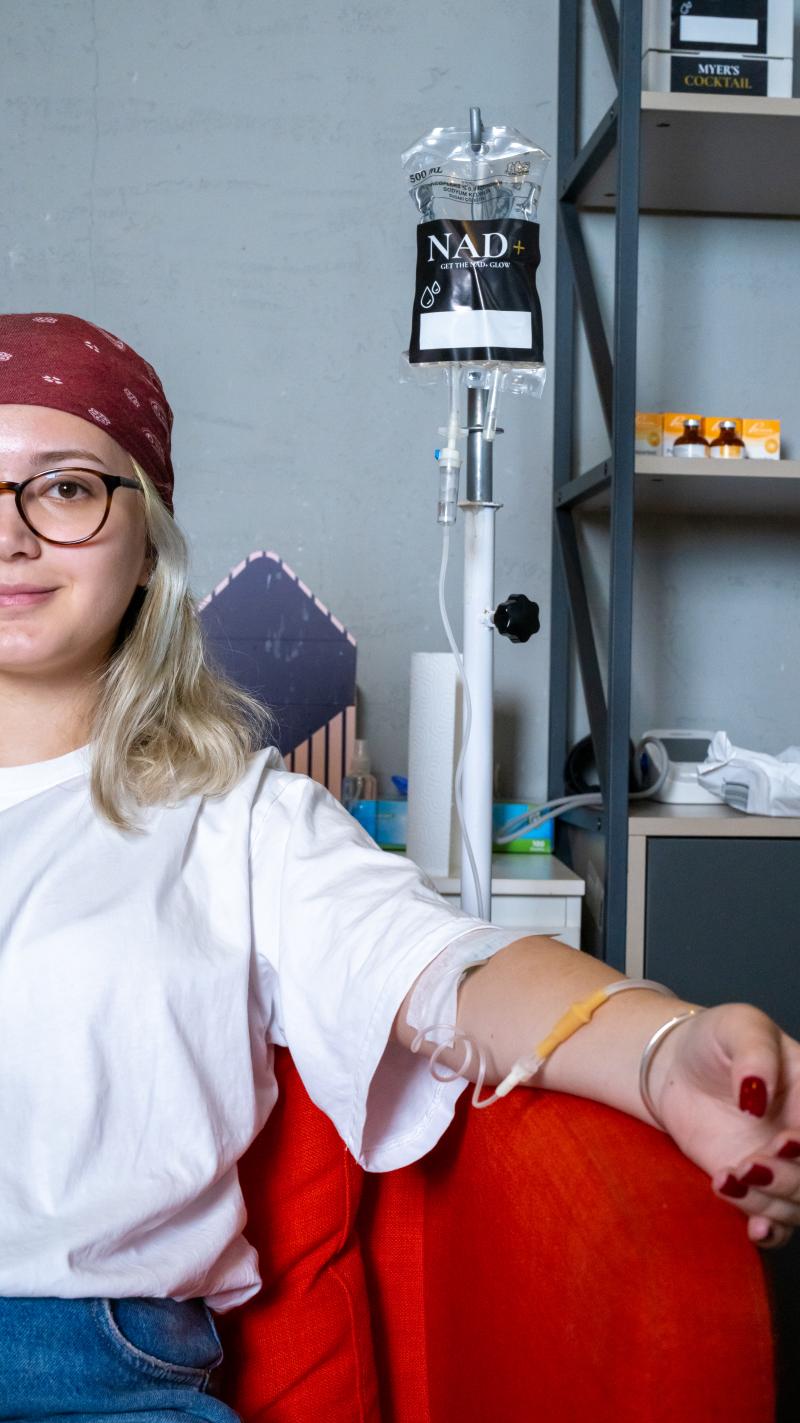
Myers’ Cocktail Therapy is a supportive treatment method in which vitamins and minerals are administered intravenously. It typically contains essential components such as Vitamin C, B-complex vitamins, and magnesium. The therapy aims to increase cellular energy production, strengthen the immune system, and support overall recovery.
It is commonly preferred in conditions such as chronic fatigue, migraines, weakened immunity, muscle cramps, and high stress levels. The procedure usually takes 30–45 minutes and is planned individually based on the patient’s needs.
What Is a Cocktail Serum?
A cocktail serum is a skin-rejuvenating treatment that combines multiple active ingredients in a single formulation. With the inclusion of vitamins, antioxidants, and moisturizing agents, it aims to improve skin elasticity, restore moisture balance, and enhance overall radiance.
It is often used as a supportive treatment for individuals with wrinkles, skin discoloration, dehydration, and dull-looking skin.
High-Dose Vitamin C (Pascorbin)
What Is High-Dose Vitamin C (Pascorbin)?
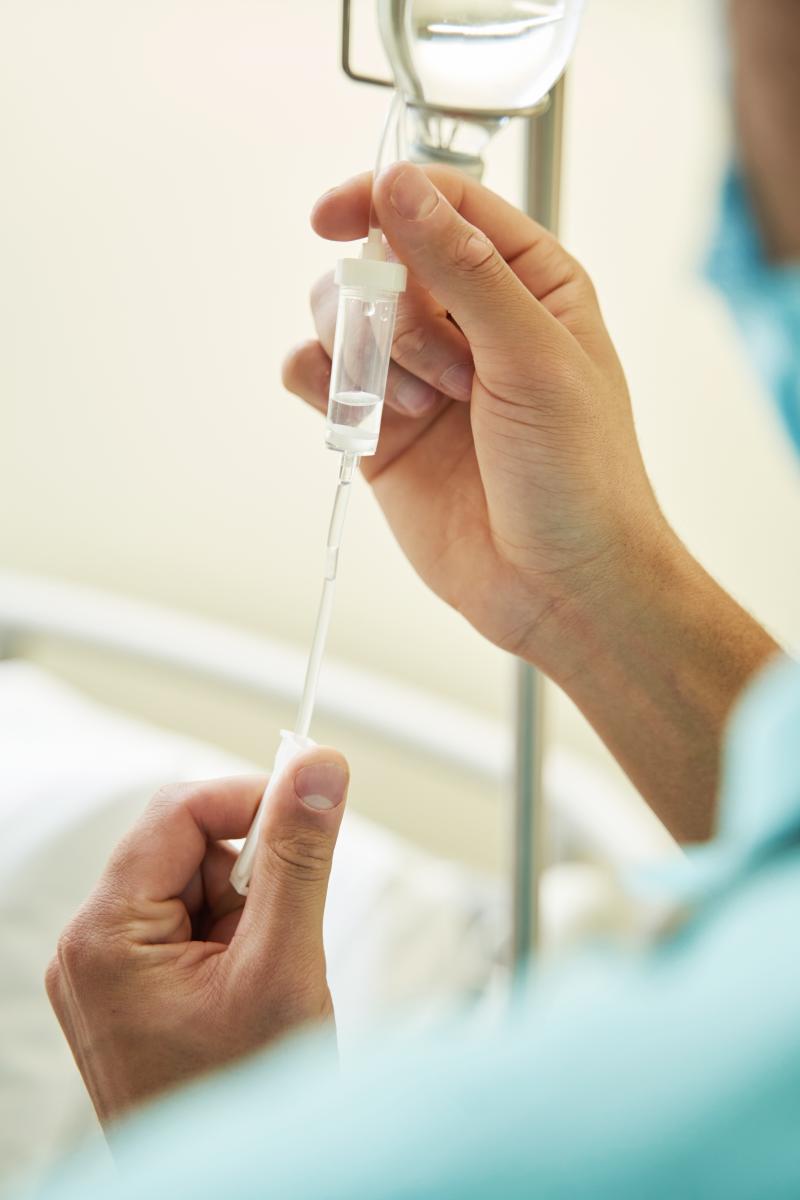
High-dose Vitamin C (Pascorbin) is a supportive treatment method in which Vitamin C is administered intravenously. Through IV infusion, Vitamin C is delivered directly into the bloodstream, providing a much higher bioavailability and effect compared to oral forms. It aims to strengthen the immune system, support cellular repair, and increase overall body resistance.
When Is It Used?
- Strengthening the immune system
- Chronic fatigue and low energy levels
- Cold and flu periods
- Need for antioxidant support
- Supporting skin health and collagen production
- As a supportive approach during cancer treatments
How Is It Applied?
The treatment is administered as an intravenous (IV) infusion following a physician’s evaluation. The procedure typically lasts between 30–60 minutes, and the number of sessions is planned individually.
Who Is It Suitable For?
- Individuals with weakened immune systems
- Those with high physical or mental demands
- People experiencing chronic fatigue
- Individuals seeking to support skin health
Note: Careful evaluation is required in patients with a history of kidney stones or iron overload.
Glutathione Therapy
What Is Glutathione and Vitamin C Therapy?
Glutathione and Vitamin C therapy is a supportive treatment method aimed at enhancing the body’s antioxidant capacity. Glutathione is a powerful antioxidant that protects cells from toxins and oxidative stress, while Vitamin C is essential for immune function, collagen production, and cellular renewal. When used together, they help strengthen the immune system and support overall well-being.
When Is It Used?
- Strengthening the immune system
- Supporting anti-aging and skin health
- Supporting detoxification and liver function
- Chronic fatigue and stress
- Skin discoloration and uneven skin tone
- General need for antioxidant support
How Is It Applied?
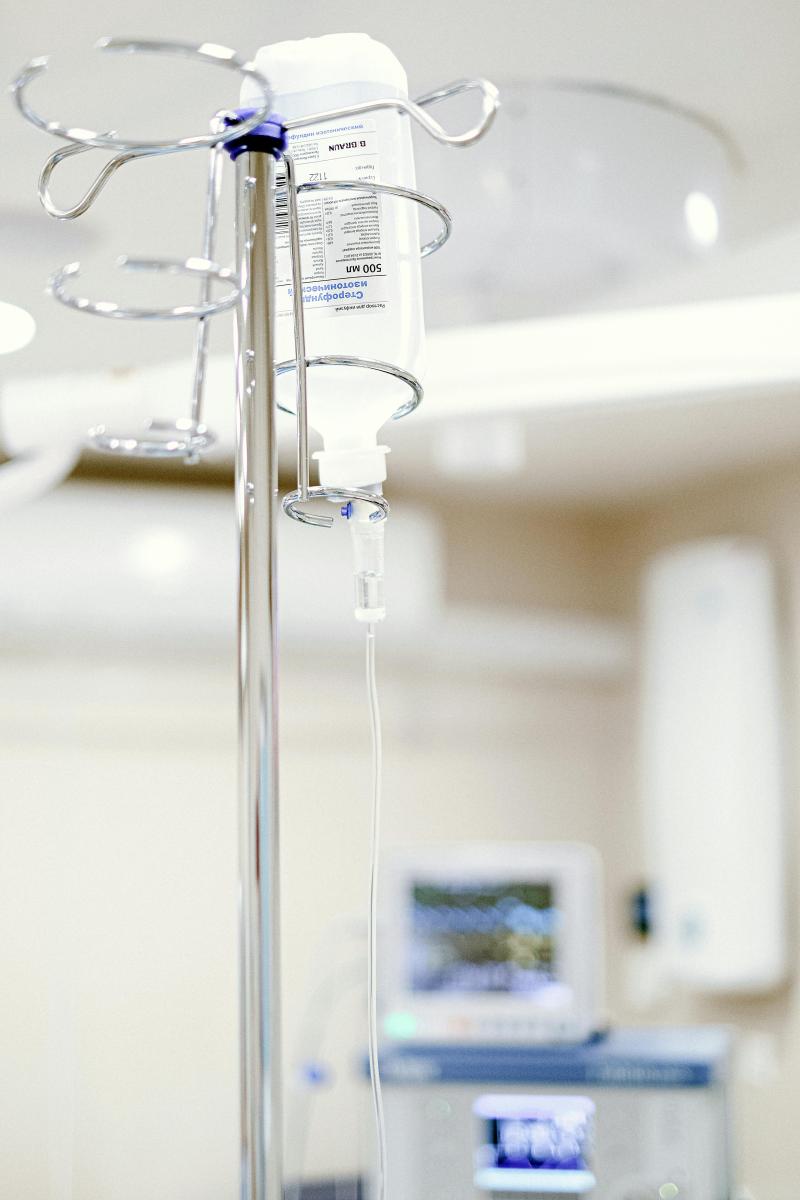
The treatment is typically administered intravenously (IV). Glutathione and Vitamin C are delivered directly into the bloodstream, allowing for rapid and effective absorption. The procedure usually takes around 20–30 minutes, and the number of sessions is planned individually.
Who Is It Suitable For?
- Individuals looking to strengthen their immune system
- Those aiming for brighter, more radiant, and balanced skin
- People dealing with fatigue and stress
- Individuals seeking detox and anti-aging support
Note: A medical evaluation is required prior to treatment to determine suitability.