
 Medication and Injection Therapies
Medication and injection therapies are widely used and effective methods in the treatment of many musculoskeletal and joint disorders that cause pain, inflammation, and limited mobility. These treatments are carefully planned on an individual basis, according to the patient’s complaints and the underlying condition, with the aim of improving daily quality of life.
Medication treatments include various groups of drugs, primarily pain relievers, anti-inflammatory medications, and muscle relaxants. These medications help control pain, reduce inflammation, and relieve muscle spasms, allowing patients to move more comfortably. The treatment process is always carried out under medical supervision and with appropriate dosing.
In injection therapies, therapeutic substances are applied directly to the affected area, providing a faster and more targeted effect. Corticosteroid injections are effective in reducing inflammation and pain, while hyaluronic acid injections support joint surfaces and aim to improve mobility. Prolotherapy, PRP (Platelet-Rich Plasma), and ozone injections are among modern treatment methods that promote tissue repair and accelerate the healing process.
Medication and injection therapies are often combined with physical therapy and exercise programs to achieve more lasting results. Through these approaches, it is possible to control pain, reduce movement limitations, and help patients continue their daily activities more comfortably—often without the need for surgical intervention.
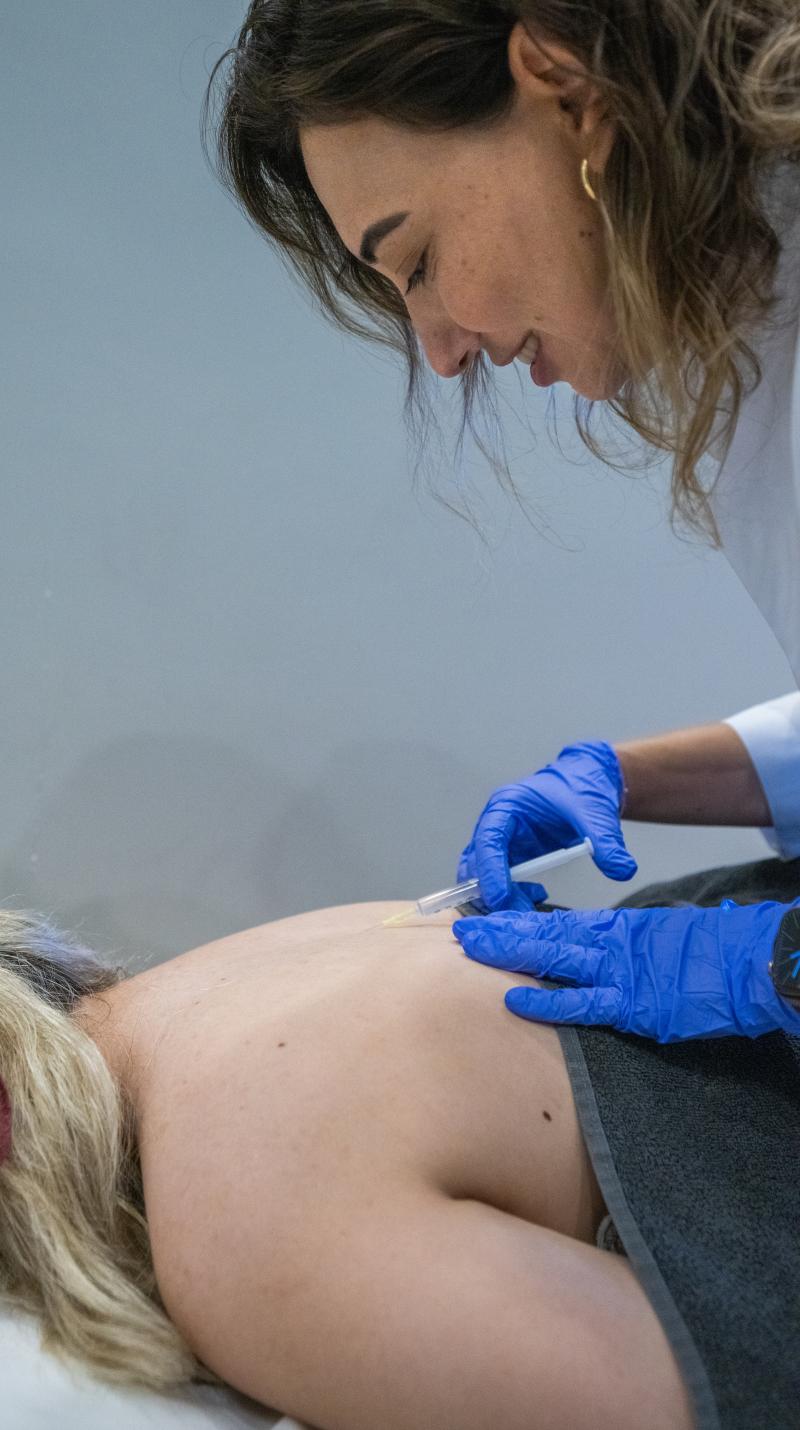
Neural Therapy
What Is Neural Therapy?
Neural therapy is a complementary treatment method aimed at regulating dysfunctions of the nervous system. Since the nervous system is closely connected to the circulatory, immune, and hormonal systems, disturbances in this system may lead to various symptoms in different parts of the body. The goal of neural therapy is to reduce negative stimuli affecting the nervous system, support circulation, and activate the body’s natural healing mechanisms. It is often preferred in cases where conventional medical treatments have not provided sufficient results.
When Is Neural Therapy Used?
Neural therapy can be applied as a supportive treatment in a wide range of conditions affecting different body systems. It is commonly used in:
- Muscle and joint pain
- Circulatory disorders
- Allergic conditions
- Upper respiratory tract problems
- Menopause-related symptoms
- Thyroid function disorders
- Functional digestive issues such as constipation
- Stress- and depression-related complaints
This approach can be particularly effective in chronic conditions or cases resistant to conventional treatments.
How Is Neural Therapy Applied?
Neural therapy is performed using appropriate techniques determined after a detailed medical evaluation. The treatment is planned according to the patient’s condition and the affected areas. Applications may include superficial skin injections, treatments targeting spinal segments, or interventions on interference fields such as scars and surgical marks. The aim is to restore the body’s regulatory response through the nervous system.
Who Is It Suitable For?
Neural therapy is generally well tolerated and is applied using fine, small needles. It can be safely used across a wide range of patient groups without strict age limitations. It is particularly suitable for individuals with functional complaints related to the nervous system who have not responded adequately to conventional treatments.
As Specialist Dr. Selen Bengü Erdoğan Gür – Physical Medicine and Rehabilitation Specialist, my approach to neural therapy is based on a holistic evaluation of each patient, with treatment plans tailored to individual needs.
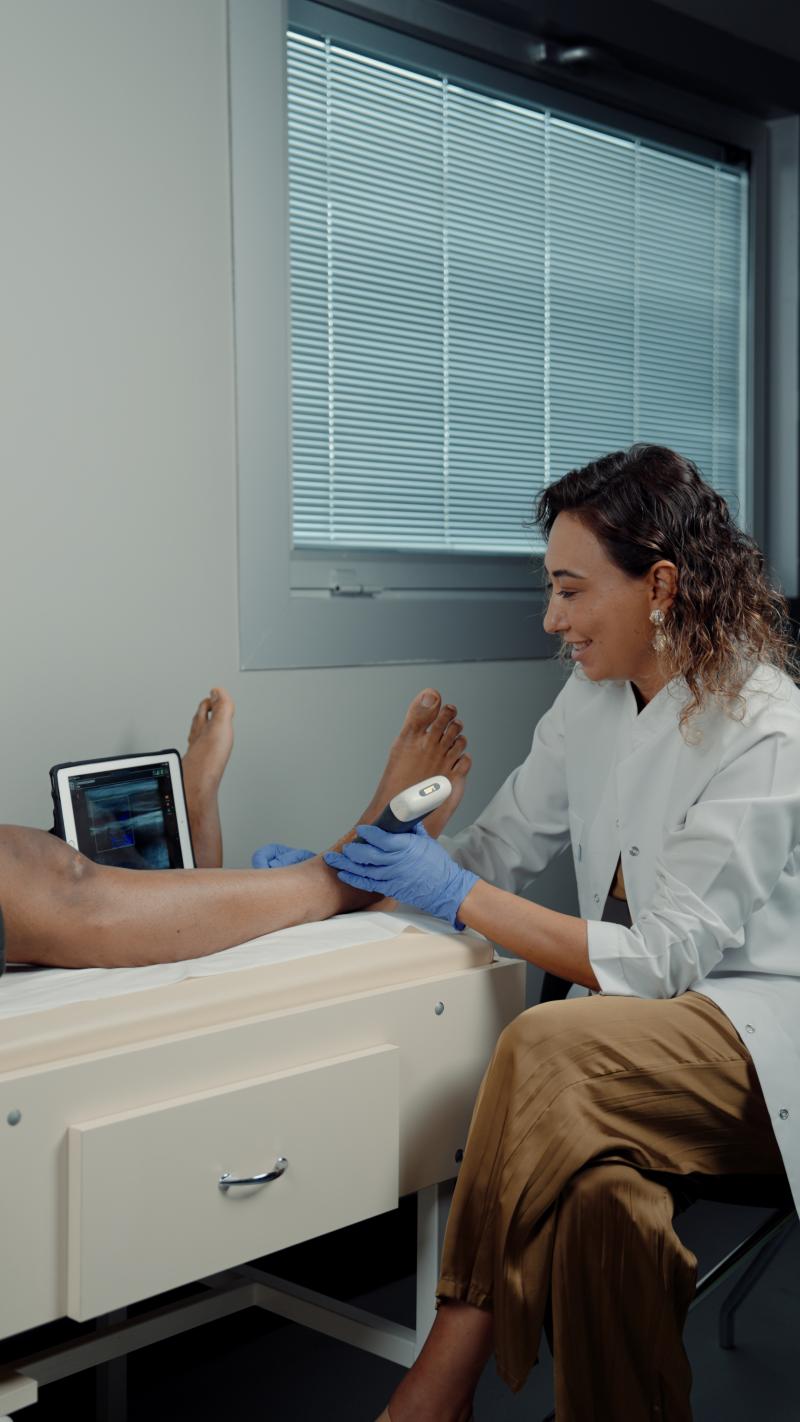
Ultrasound-Guided Targeted Injection
What Is Ultrasound-Guided Targeted Injection?
Ultrasound-guided targeted injection is a modern technique that allows injection therapies to be performed under real-time ultrasound imaging, enabling direct visualization of the target tissue. The goal is to deliver the medication precisely to the correct location, at the appropriate depth, and in a safe manner—thereby increasing the effectiveness of the treatment. Compared to traditional “blind” injection methods, ultrasound guidance provides a more accurate and controlled application.
When Is It Preferred?
Ultrasound-guided injections are commonly used in the treatment of musculoskeletal and joint-related pain, including:
- Muscle tears, tendon disorders, and bursitis
- Knee, shoulder, hip, and other joint conditions
- Numbness and tingling caused by nerve compression
- Chronic pain originating from the lower back, neck, and spine
This method reduces the margin of error, especially in sensitive areas and small anatomical structures, allowing for more effective treatment outcomes.
How Is It Applied?
Before the procedure, the treatment area is carefully evaluated using an ultrasound device. Once the target tissue is clearly identified, the injection is performed under ultrasound guidance. Depending on the patient’s needs, the injected substances may include corticosteroids, local anesthetics, or therapeutic agents such as PRP (Platelet-Rich Plasma). This ensures that the medication is delivered directly to the affected area without spreading to surrounding tissues.
Who Is It Suitable For?
This method is particularly suitable for:
- Individuals with localized and well-defined pain points
- Patients with muscle, tendon, or joint-related conditions
- Those requiring precise injections in sensitive areas such as nerves or small joints
As Specialist Dr. Selen Bengü Erdoğan Gür – Physical Medicine and Rehabilitation Specialist, my approach to ultrasound-guided injections focuses on accurate diagnosis and targeted treatment to control pain and support functional recovery.
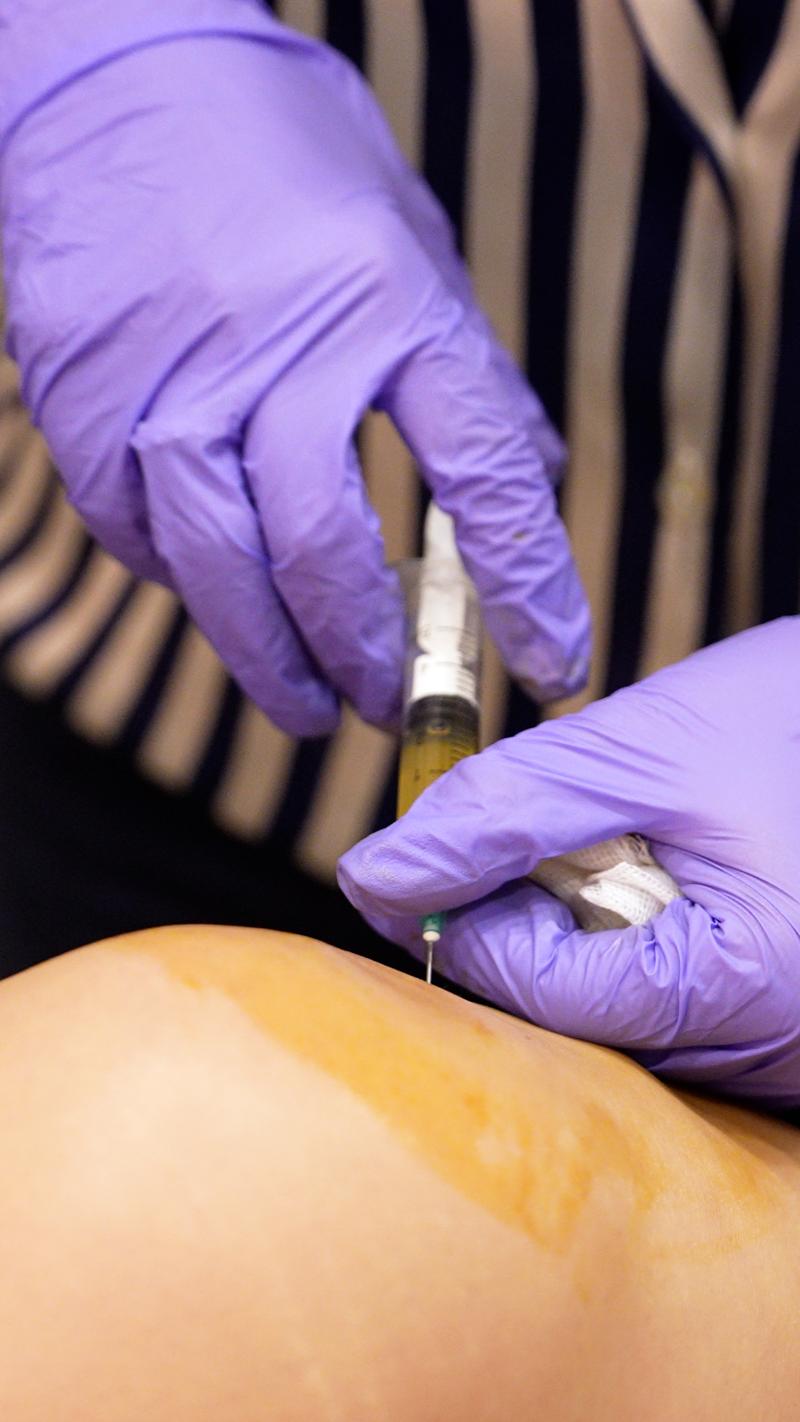
Prolotherapy
What Is Prolotherapy?
Prolotherapy is an injection-based complementary treatment method used in the management of chronic musculoskeletal pain. The aim of this therapy is to support the healing of weakened or damaged tendons, ligaments, joints, and muscles. By using natural irritant solutions, the body’s own repair mechanisms are stimulated, promoting tissue strengthening and regeneration. Prolotherapy is especially preferred in long-standing pain conditions that have not responded to other treatments.
When Is Prolotherapy Used?
Prolotherapy offers an effective option for a wide range of musculoskeletal conditions, including:
- Chronic joint pain (knee, hip, shoulder)
- Tendinitis
- Bursitis
- Chronic low back and neck pain
- Osteoarthritis
- Muscle and tendon problems related to sports injuries
- Plantar fasciitis (heel pain)
- Tennis elbow
- Migraines and headaches related to muscle and soft tissue dysfunction
How Is Prolotherapy Applied?
The treatment begins with a detailed medical evaluation. Before the procedure, the injection site is sterilized. Natural irritant solutions, such as dextrose, are injected into the affected tissues to trigger a healing response. This process stimulates collagen production, helping tissues become stronger over time. Treatment is typically planned in multiple sessions, with intervals determined based on the patient’s condition.
Who Is It Suitable For?
Prolotherapy is particularly suitable for:
- Individuals with long-standing muscle, tendon, or joint pain
- Patients who have not responded adequately to medication
- Those seeking alternatives to surgery
- Athletes aiming to accelerate recovery after sports injuries
- Individuals experiencing pain due to osteoarthritis
As Specialist Dr. Selen Bengü Erdoğan Gür – Physical Medicine and Rehabilitation Specialist, my approach to prolotherapy focuses on targeted, personalized treatment planning to reduce pain and support functional recovery.
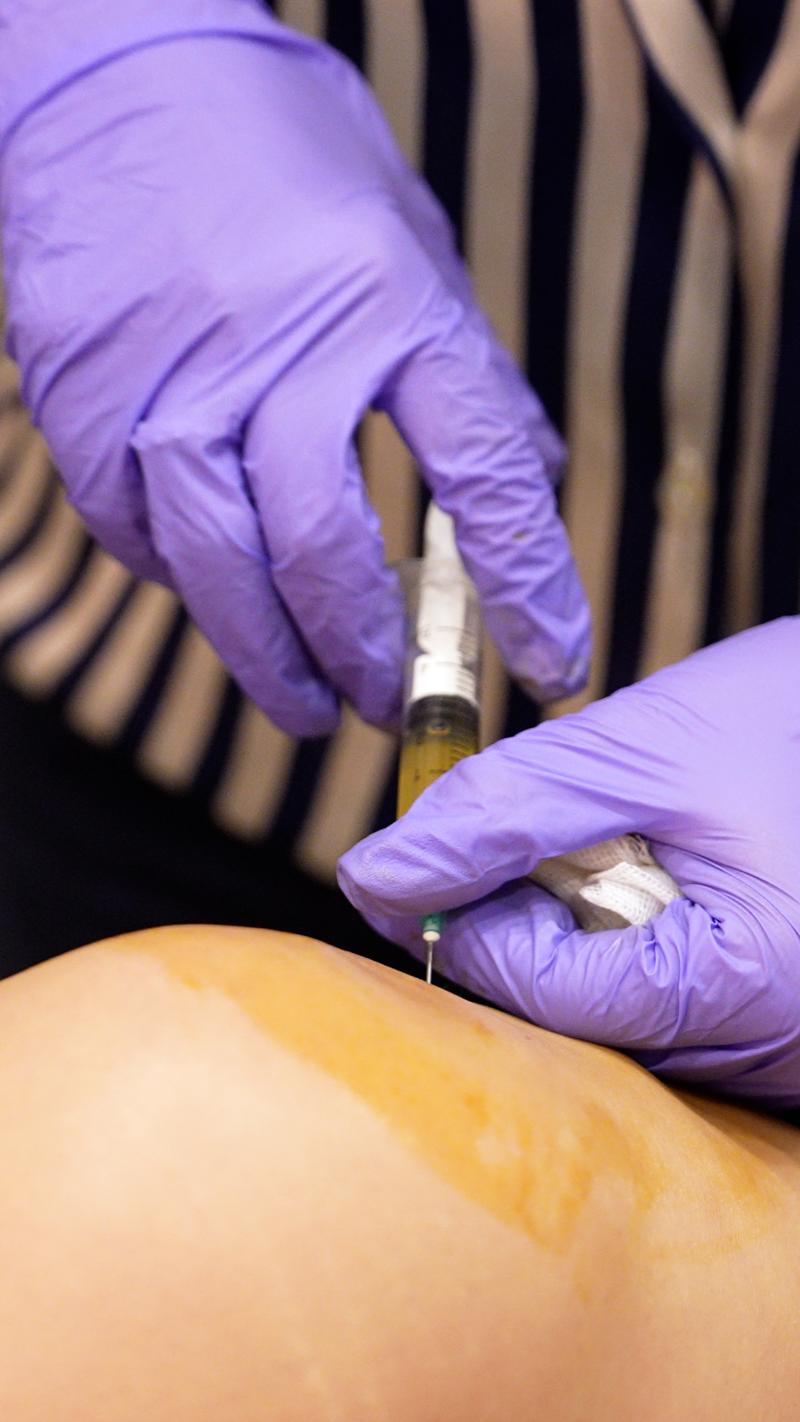
Sanakin Therapy
What Is Sanakin Therapy?
Sanakin therapy is a natural, biological treatment method that uses a specially processed plasma derived from the patient’s own blood. This approach supports cellular renewal and aims to accelerate tissue repair. It is commonly used in areas such as skin rejuvenation, reduction of wrinkles, treatment of hair loss, and improvement of scars. By stimulating collagen production, Sanakin therapy helps the skin achieve a more vibrant, healthy, and radiant appearance.
When Is Sanakin Therapy Used?
Sanakin therapy has a wide range of applications for both medical and aesthetic purposes, including:
- Skin rejuvenation and reduction of signs of aging
- Fine lines and loss of skin elasticity
- Tired appearance in the under-eye area
- Hair loss and strengthening of hair follicles
- Acne scars and other types of scarring
- Uneven skin tone
How Is Sanakin Therapy Applied?
Sanakin therapy is performed in several safe and controlled steps. First, a small amount of blood is drawn from the patient. This blood is then processed to separate the plasma. The resulting plasma is injected into the face, scalp, or the targeted treatment area. Patients can return to their daily activities immediately after the procedure. The effects develop gradually and typically become noticeable within a few weeks.
Who Is It Suitable For?
Sanakin therapy is particularly suitable for:
- Individuals seeking skin rejuvenation and renewal
- Patients experiencing hair loss
- Those with acne scars or other types of scarring
- Individuals looking for natural, non-surgical treatment options
As Specialist Dr. Selen Bengü Erdoğan Gür – Physical Medicine and Rehabilitation Specialist, my approach to Sanakin therapy focuses on personalized evaluation and safe techniques to support the body’s natural healing processes.
Exosome Therapy
What Is Exosome Therapy?
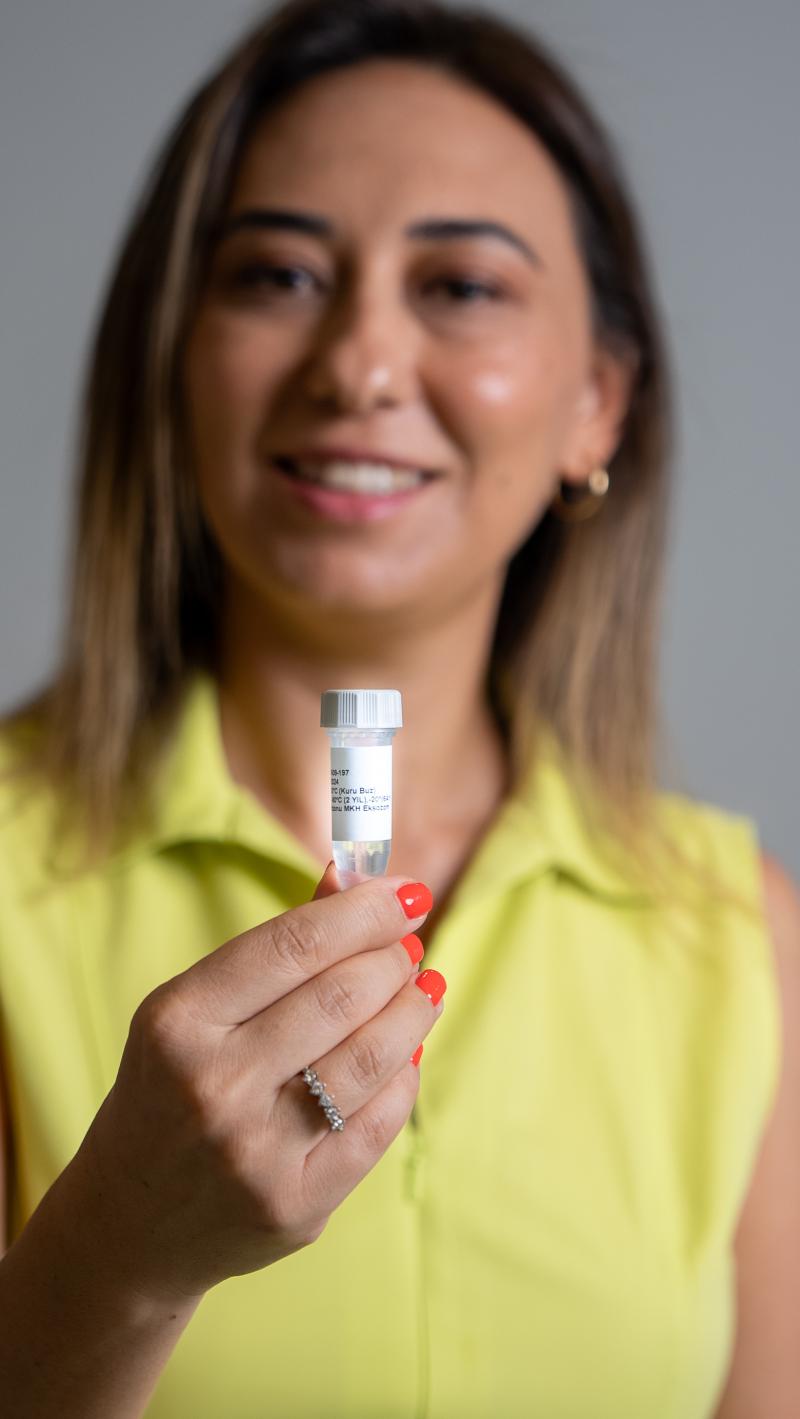
Exosome therapy is an advanced and innovative treatment method that utilizes microscopic biological particles called exosomes, which play a key role in cell-to-cell communication. Exosomes deliver signals that promote healing, regeneration, and tissue repair, thereby supporting the body’s natural renewal processes. Thanks to these properties, exosome therapy is increasingly preferred in both medical and aesthetic fields.
It is particularly effective in areas such as skin rejuvenation, hair loss treatment, and tissue repair, offering a powerful and natural healing process at the cellular level.
When Is Exosome Therapy Used?
Exosome therapy has a wide range of applications tailored to different needs, including:
- Skin rejuvenation and reduction of signs of aging
- Wrinkles, fine lines, and loss of skin elasticity
- Hair loss and strengthening of hair follicles
- Acne scars, other types of scarring, and skin discoloration
- Regeneration of damaged tissues
- Support for tissue healing after surgical procedures
How Is Exosome Therapy Applied?
The treatment process begins with a detailed medical evaluation. After preparing the treatment area, exosomes are applied to the skin or scalp using micro-needling techniques. Since very fine needles are used, the procedure generally causes minimal discomfort. The recovery period is short, with initial results becoming visible within a few weeks and full results developing progressively over time.
Who Is It Suitable For?
Exosome therapy is particularly suitable for:
- Individuals seeking skin rejuvenation and renewal
- Patients experiencing hair loss
- Those with acne scars or other types of scarring
- Individuals aiming for faster recovery after surgery
As Specialist Dr. Selen Bengü Erdoğan Gür – Physical Medicine and Rehabilitation Specialist, my approach to exosome therapy focuses on supporting cellular regeneration through safe, scientifically based methods to promote natural healing.
Corticosteroid Injection
What Is a Corticosteroid Injection?
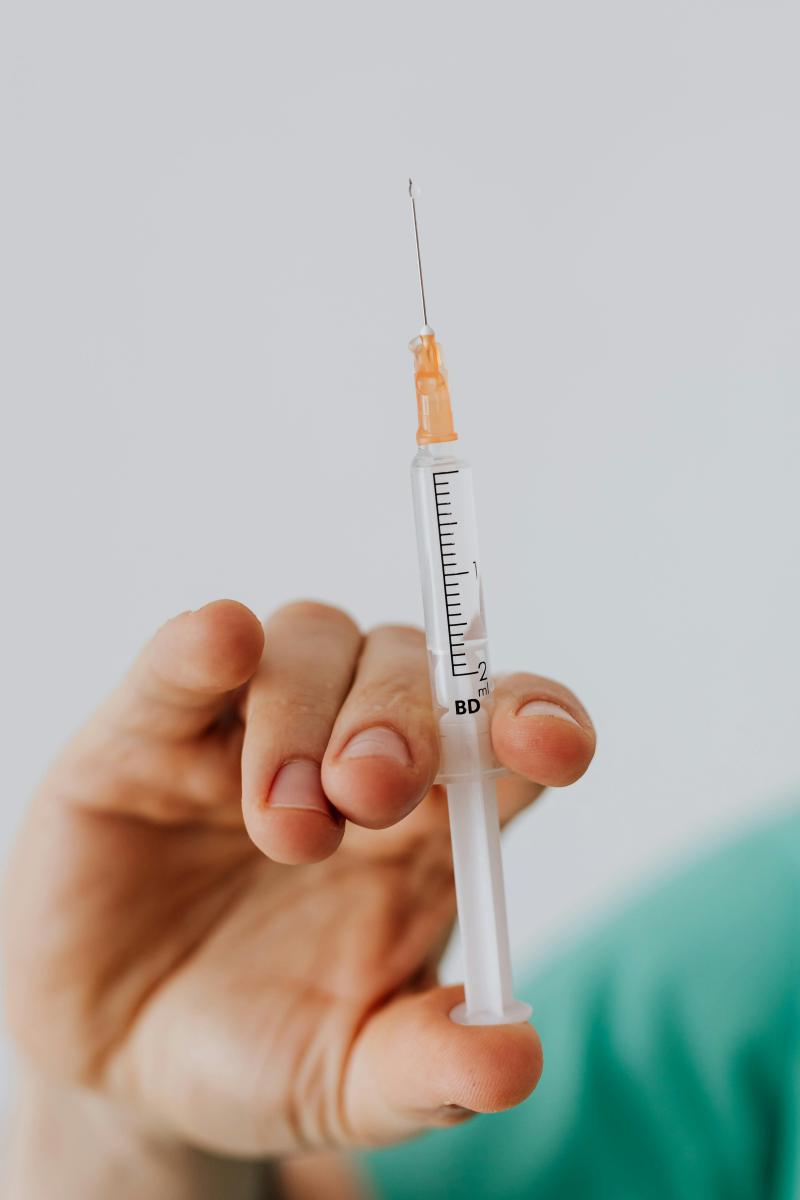
A corticosteroid injection is an effective treatment method used for musculoskeletal conditions associated with inflammation and pain. Corticosteroids are powerful anti-inflammatory agents that help reduce inflammation, swelling, and pain. By delivering the injection directly to the affected area, it provides faster and more targeted relief compared to systemic medications.
When Is It Used?
Corticosteroid injections are commonly used in the following muscle, joint, and nerve-related conditions:
- Joint diseases such as osteoarthritis and rheumatoid arthritis
- Tendinitis and bursitis
- Muscle and joint pain related to sports injuries
- Pain caused by inflammation and nerve compression in lumbar and cervical disc herniations
- Carpal tunnel syndrome
- Frozen shoulder
This treatment is particularly effective in managing chronic pain that interferes with daily life.
How Is It Applied?
Before the procedure, the patient’s condition is carefully evaluated to determine the suitability of a corticosteroid injection. The treatment area is prepared under sterile conditions, and the corticosteroid is injected directly into the joint, around a tendon, or into the source of pain. The procedure is brief and is usually performed with local anesthesia. The effects typically begin within a few days and may last for several weeks.
Who Is It Suitable For?
Corticosteroid injections are particularly suitable for:
- Individuals with chronic pain caused by inflammation
- Patients with persistent pain following sports injuries
- Those seeking alternatives to surgical intervention
- Individuals who have not responded adequately to oral medications or physical therapy
The decision to proceed with treatment should always be made on an individual basis following a physician’s evaluation.
As Specialist Dr. Selen Bengü Erdoğan Gür – Physical Medicine and Rehabilitation Specialist, my approach to corticosteroid injections focuses on accurate indication and targeted application to safely control pain and support recovery.
Prolotherapy
What Is Prolotherapy?
Prolotherapy is an injection-based complementary treatment used in the management of chronic musculoskeletal pain. In this approach, natural irritant solutions are used to support the healing of weakened or damaged tendons, ligaments, joints, and muscles. By stimulating the body’s own repair mechanisms, prolotherapy promotes collagen production and aims to strengthen the affected tissues over time.
When Is Prolotherapy Used?
Prolotherapy is an effective treatment option in the following conditions:
- Chronic joint pain (knee, hip, shoulder)
- Tendinitis and bursitis
- Chronic low back and neck pain
- Osteoarthritis
- Muscle and tendon problems related to sports injuries
- Plantar fasciitis (heel pain)
- Tennis elbow
- Headaches related to muscle and soft tissue dysfunction
How Is Prolotherapy Applied?
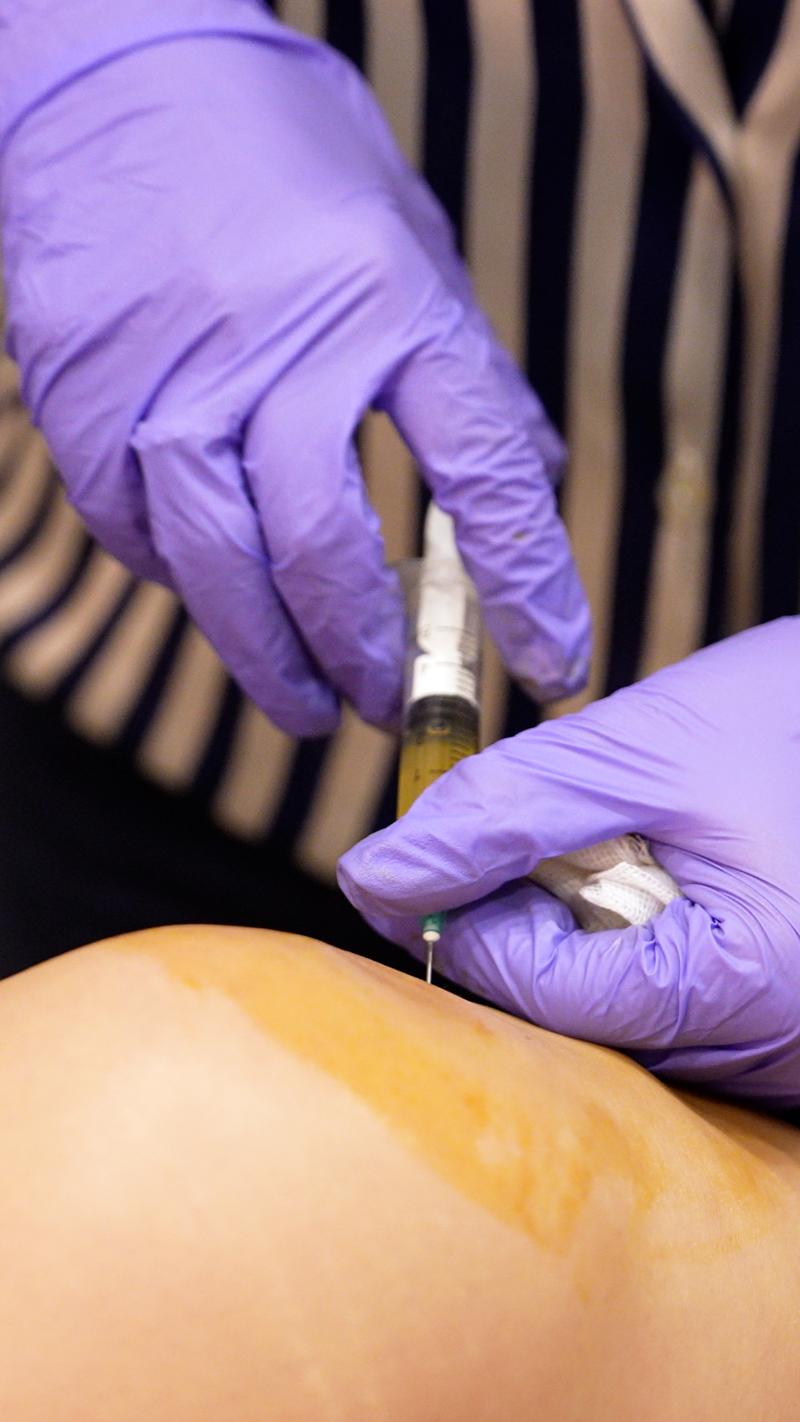
Before treatment, the patient’s condition is carefully evaluated. The injection site is prepared under sterile conditions, and natural irritant solutions such as dextrose are injected into the painful or weakened tissues. This process triggers a healing response and promotes gradual strengthening of the tissues. Prolotherapy is typically planned over several sessions, with intervals determined according to the patient’s needs.
Who Is It Suitable For?
Prolotherapy is particularly suitable for:
- Individuals with long-standing muscle, tendon, or joint pain
- Patients who have not responded adequately to medication
- Those seeking alternatives to surgical intervention
- Athletes aiming to accelerate recovery after sports injuries
- Individuals experiencing pain due to osteoarthritis
As Specialist Dr. Selen Bengü Erdoğan Gür – Physical Medicine and Rehabilitation Specialist, my approach to prolotherapy focuses on targeted and personalized treatment planning to reduce pain and support functional recovery.